

Created in 1936
1936 was a banner year for adventure fiction, birthing masked crime-fighters, jungle legends, and a future sci-fi serial hero. From urban vigilantes to pulp-era swashbucklers, this year laid down some of the most durable archetypes in pop culture. This page lists the 1936 creations entering the U.S. public domain in 2032 — and any already there.
Pre-1900 | 1900-1919 | 1920s | 1930 | 1931 | 1932 | 1933 | 1934 | 1935 | 1936 | 1937 | 1938 | 1939 | 1940 | 1941 | 1942 | 1943 | 1944 | 1945 | 1946 | 1947 | 1948 | 1949 | 1950 | 1951 | 1952 | 1953 | 1954 | 1955 | 1967
Entering the Public Domain in 2032 (Created in 1936)


The Phantom
The Phantom, created by Lee Falk, debuted on February 7, 1936. The Phantom will enter the public domain on January 1, 2032.
Image: First Sunday strip (May 28, 1939) art by Ray Moore.

The Green Hornet & Kato
The Green Hornet & Kato were created for radio at WXYZ in Detroit, debuting on January 31, 1936. The Green Hornet & Kato will enter the public domain on January 1, 2032.
Image: Green Hornet Comics No. 7, June 1942, art by Jack Kirby, Inks by Joe Simon.
Already in the Public Domain (Created in 1936)

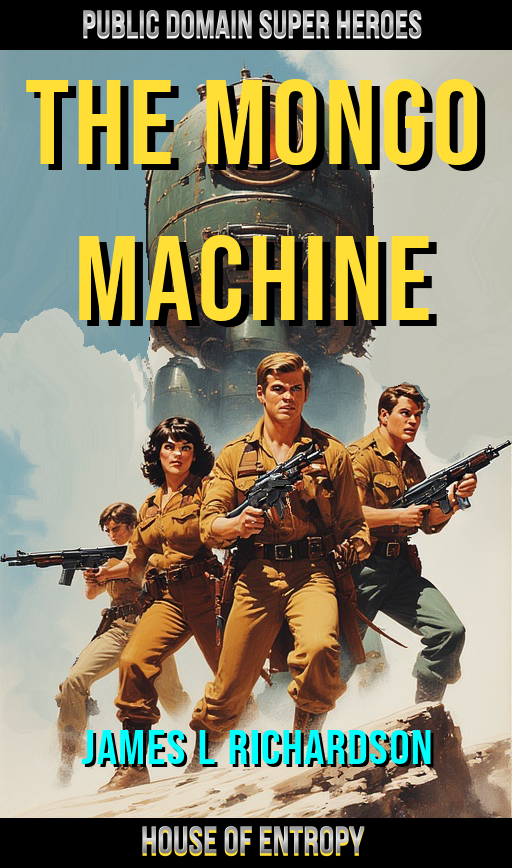
Crash Corrigan
Crash Corrigan debuted in the serial "Undersea Kingdom" in 1936. He was created as a direct response to "Flash Gordon" but never found that level of fame. Crash Corrigan sails in the House of Entropy.
Image: Cover of "The Mongo Machine" by James L. Richardson, 2025.
1936: Context & Fun Facts
- The Green Hornet was created as a radio hero first.
Unlike most masked crime-fighters of the era, Britt Reid debuted on the airwaves before ever seeing print — and Kato’s martial-arts mastery made the duo stand out instantly. - The Phantom helped define the superhero costume.
Lee Falk’s jungle guardian wore skin-tight tights, a mask with white eyes, and fought injustice from a hidden base. His look set the template for decades of superheroes, long before Superman. - Crash Corrigan was one of the first 'sci-fi action' stars.
Appearing in serials like Undersea Kingdom, Corrigan blended swashbuckling energy with early cinematic science-fiction — he arrived in theatres only months after the first Flash Gordon serial appeared.